Tech ON :
생성형 AI 관련 주요 기술 및 개념

Transformer: The "T" in GPT, standing for Transformer, refers to a neural network architecture that effectively learns relationships and sequences among words within a sentence. Using the 'Attention' mechanism, it identifies which words are more significantly related to others, enabling precise comprehension of long contextual texts. This advancement has significantly improved performance across various natural language processing (NLP) tasks, including translation, summarization, and text generation.
트랜스포머(Transformer): GPT의 'T'가 의미하는 트랜스포머는, 문장 속 단어들의 관계와 순서를 효과적으로 학습하는 신경망 구조이며, 문장에서 어떤 단어가 다른 단어와 더 중요한 연관성을 갖는지 파악하는 '어텐션(Attention)' 메커니즘을 통해 긴 문장의 맥락을 정확하게 이해하는데 발전을 가져왔다. 이는 번역, 요약, 텍스트 생성 등 다양한 자연어 처리(NLP) 분야의 성능을 크게 향상시켰다.
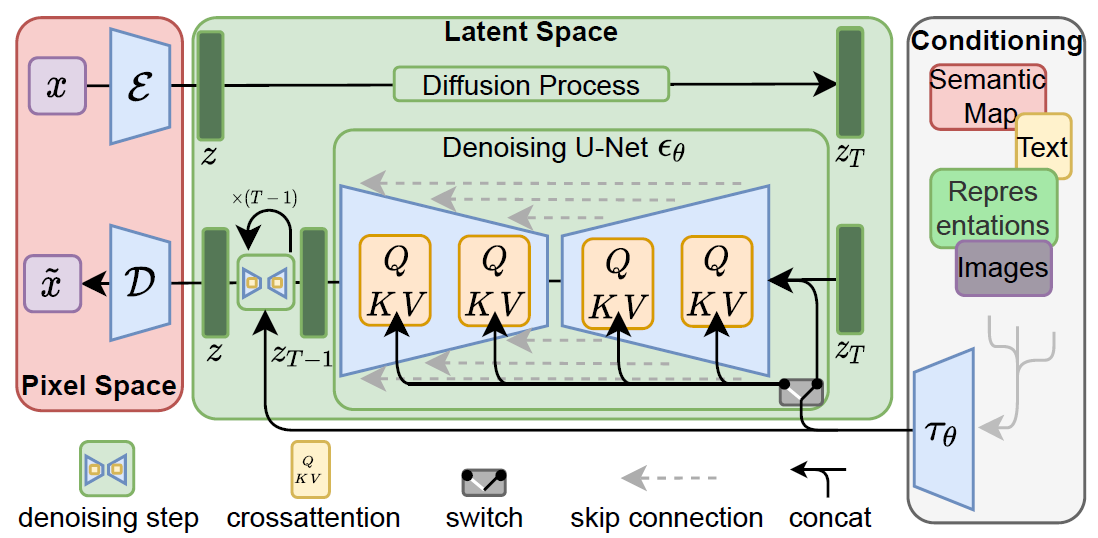
Diffusion Model: Recently, diffusion models have attracted attention in the image generation AI field, outperforming GANs in many aspects. This technology involves progressively adding noise to a source image until it becomes completely random, then reversing the process—denoising—to generate new images from scratch. Examples like DALL-E 2, Midjourney, and Stable Diffusion utilize this technique to produce highly detailed and realistic images.
확산 모델(Diffusion Model): 최근 이미지 생성 AI 분야에서 GAN을 넘어서는 성능으로 주목받는 기술이다. 원본 이미지에 점진적으로 노이즈(noise)를 추가하여 완전히 무작위의 이미지로 만든 후, 그 과정을 역으로 거슬러 올라가며 노이즈에서부터 새로운 이미지를 생성해내는 방식이며, DALL-E 2, Midjourney, Stable Diffusion 등이 이 기술을 기반으로 하여 매우 정교하고 사실적인 이미지를 만든다.
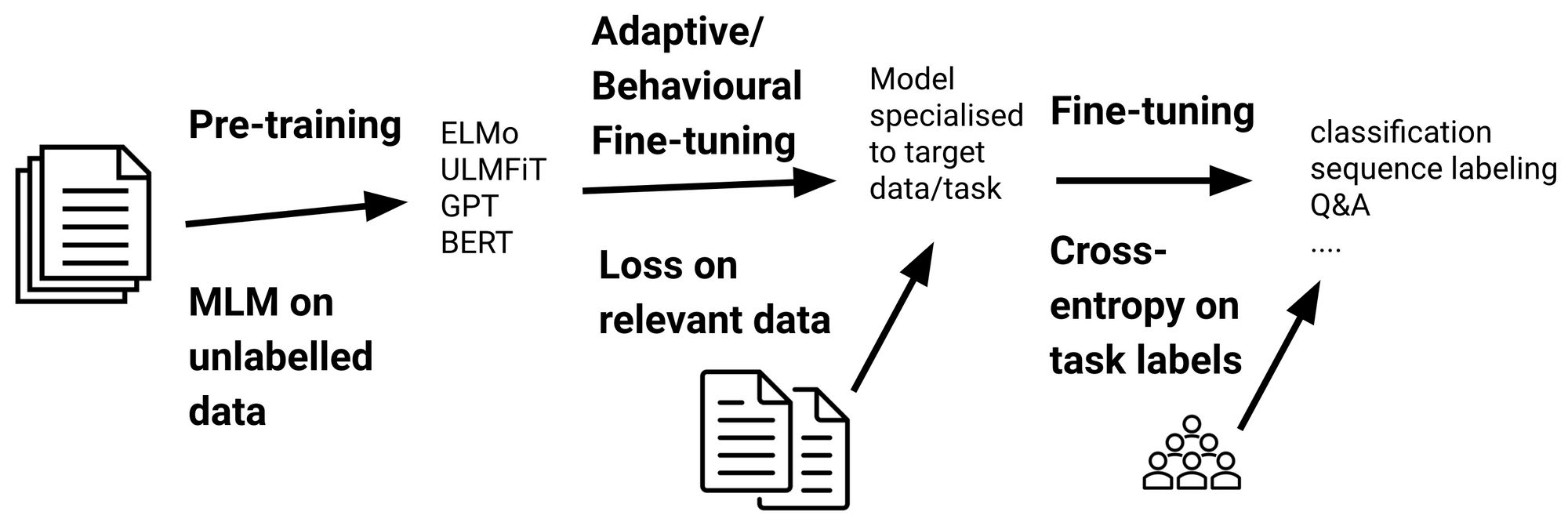
Fine-tuning: Fine-tuning is a process where large pre-trained language models (LLMs) are further trained with a smaller, domain-specific dataset to specialize the model for particular fields or purposes. This enables LLMs to generate more accurate and domain-relevant results, such as in legal, medical, or financial contexts.
파인튜닝(Fine-tuning): 이미 방대한 데이터로 사전 학습된 거대 언어 모델(LLM)을 특정 분야나 목적에 맞게 소량의 전문 데이터로 추가 학습시키는 과정이며, LLM은 특정 도메인(예: 법률, 의료, 금융)에 대한 더 정확하고 전문적인 결과물을 생성할 수 있다.
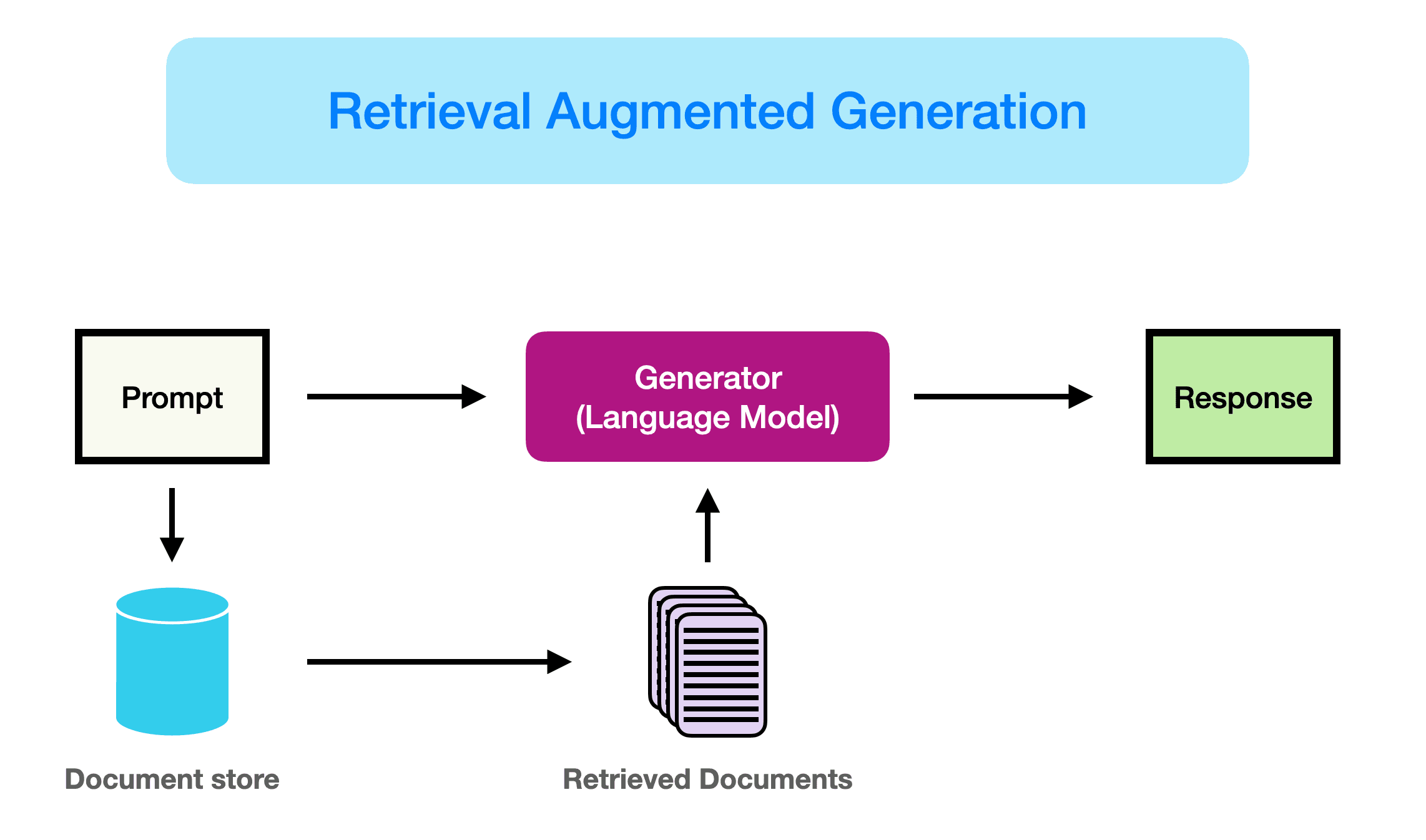
Retrieval-Augmented Generation (RAG): RAG is a technique designed to mitigate the 'hallucination' problem, where LLMs may produce outdated or incorrect information. It involves retrieving real-time data from external sources or databases related to the user’s query and incorporating this information into the answer generation process, thereby greatly enhancing the accuracy and reliability of responses.
검색 증강 생성(RAG:Retrieval-Augmented Generation): LLM이 최신 정보에 약하거나 잘못된 정보를 만들어내는 '환각(Hallucination)' 현상을 보완하기 위한 기술이며, 사용자의 질문과 관련된 최신 정보를 외부 데이터베이스나 인터넷에서 실시간으로 검색하여, 내용을 바탕으로 답변을 생성하는 방식이다. LLM 답변의 정확성과 신뢰도를 크게 높일 수 있다.

Multimodal AI: Multimodal AI refers to systems capable of understanding and processing multiple types of data simultaneously, such as text, images, speech, and video. Moreover, it can convert or generate data across different modalities—for example, creating descriptive text from an image or producing a video based solely on text instructions. Google’s Gemini is a representative example of a multimodal AI model.
멀티모달 AI(Multimodal AI): 텍스트뿐만 아니라 이미지, 음성, 영상 등 여러 종류의 데이터를 동시에 이해하고 처리하며, 한 형태의 데이터를 다른 형태로 변환하거나 생성할 수 있는 AI를 의미하고 예를 들어, 이미지를 보고 그 내용을 설명하는 텍스트를 생성하거나, 텍스트 설명만으로 동영상을 만들어내는 기술이 해당한다. 구글의 Gemini가 대표적인 멀티모달 AI 모델이다.
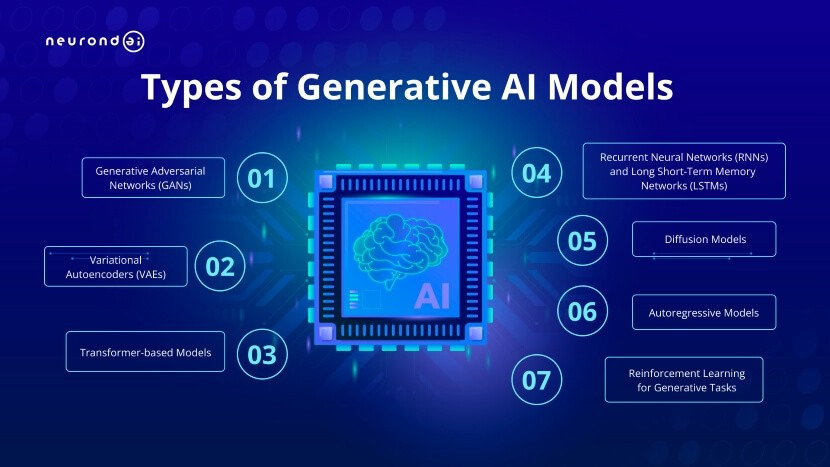
Generative AI: Generative AI, or GenAI, extends beyond simple search or analysis to produce entirely new content, including text, images, audio, and video. Its core capability lies in creating novel outputs that resemble human-made creations, based on existing data.
생성형 인공지능(Generative AI): GenAI는 단순한 정보 검색이나 분석을 넘어 새로운 텍스트, 이미지, 음성, 영상 등을 스스로 만들어내는 인공지능을 뜻하며, 기존 데이터를 바탕으로 사람이 만든 것처럼 새로운 결과물을 생성할 수 있다는 것이 핵심이다.
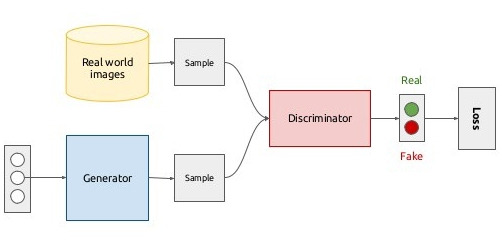
GAN (Generative Adversarial Network): GAN consists of two neural networks—the Generator and the Discriminator—that compete against each other in a game-theoretic process. The Generator produces increasingly realistic fake data, while the Discriminator evaluates its authenticity. This adversarial training enables AI to generate images and videos that are difficult to distinguish from real ones.
GAN (Generative Adversarial Network): GAN은 ‘생성자(Generator)’와 ‘판별자(Discriminator)’라는 두 인공지능이 서로 경쟁하며 가짜 데이터를 점점 더 사실적으로 만들어내는 신경망 구조이며, GAN 덕분에 인공지능은 처음으로 실제와 구분하기 어려운 이미지나 영상을 스스로 만들어낼 수 있게 되었다.
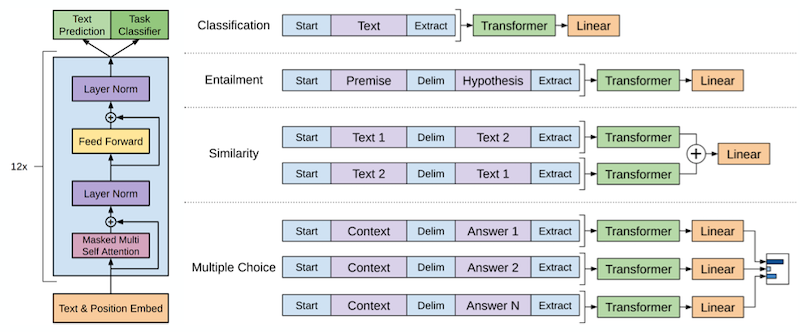
GPT (Generative Pre-trained Transformer): GPT is an AI model pre-trained on vast amounts of text data, capable of understanding questions or prompts and generating natural, coherent responses. It is a leading technology in generative AI for language, used widely in chatbots, writing assistants, and other applications.
GPT(Generative Pre-trained Transformer): GPT는 대량의 텍스트를 사전에 학습한 후 사람의 질문이나 요청을 이해하고 그에 맞는 자연스러운 문장을 생성하는 인공지능 모델이며, 생성형 AI의 대표적인 언어 처리 기술로, 대화형 챗봇이나 글쓰기 도우미 등에 널리 활용된다.

LLM (Large Language Model): An LLM is an extremely large AI model trained on hundreds of billions or trillions of words and sentences, enabling it to understand language in a manner similar to humans and generate coherent text. Examples include GPT, ChatGPT, and Bard. Thanks to LLMs, AI can interpret long contexts and produce logical, context-aware responses. These models are commonly employed as personal assistants, learning partners, or work-augmentation tools.
LLM(Large Language Model): LLM은 수백억에서 수조 개에 이르는 단어와 문장을 학습해 사람과 유사한 언어 이해와 문장 생성이 가능한 초대형 인공지능 언어 모델을 뜻하며, GPT도 LLM의 대표적인 예로 LLM 덕분에 인공지능은 긴 문맥을 이해하고 논리적인 답변을 생성할 수 있게 되었다. ChatGPT, Bard 등이 있으며 개인 비서, 학습 파트너, 업무 지원 도구로 사용된다.
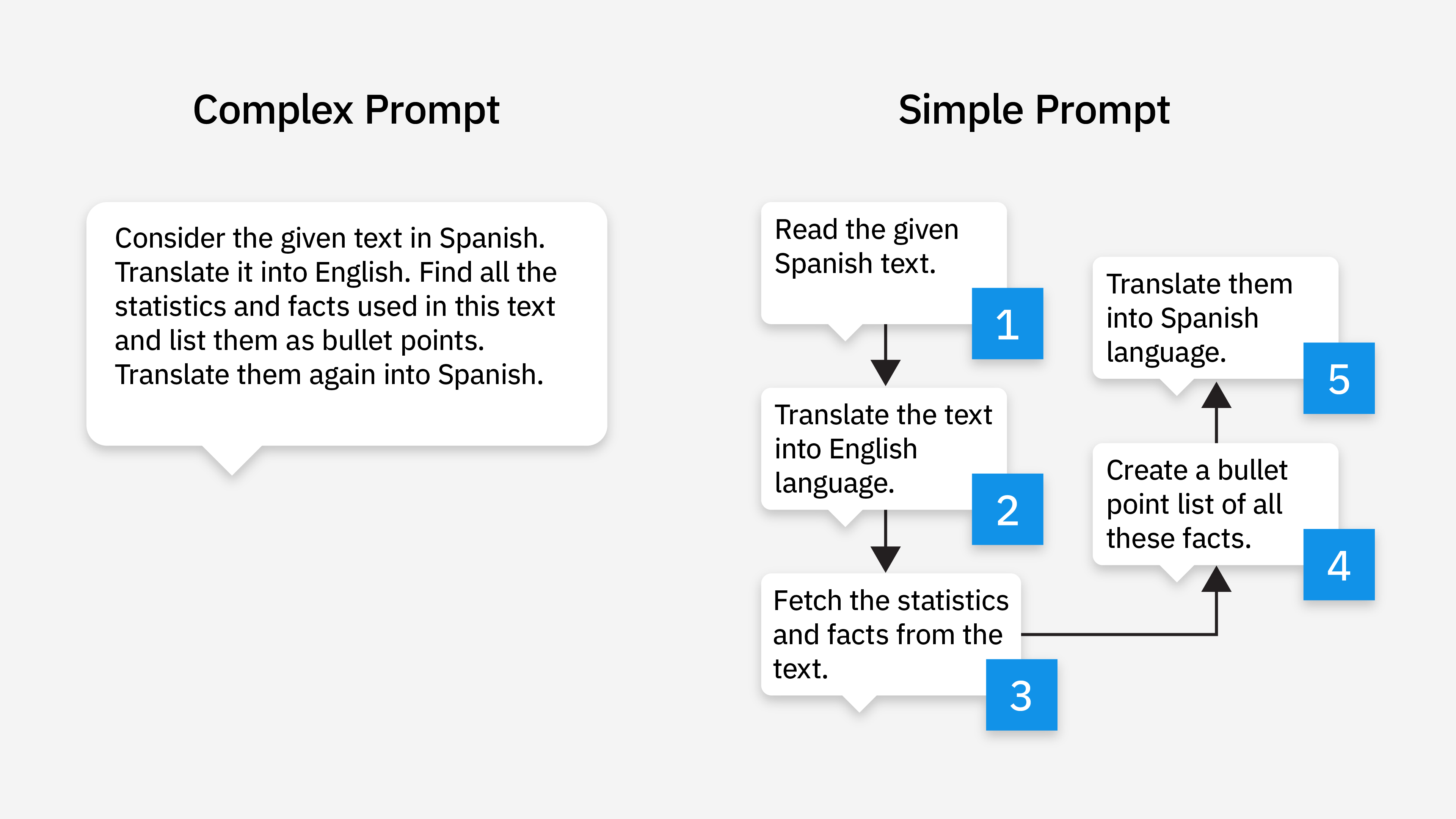
Prompt: A prompt is an instruction or question entered by the user to request a task or desired output from a generative AI. Because the expression and specificity of prompts significantly influence the quality of the resulting output, mastering effective prompt engineering is considered a key skill in utilizing generative AI technologies.
프롬프트(Prompt): 프롬프트는 사용자가 생성형 인공지능에게 작업을 요청하거나 원하는 결과를 얻기 위해 입력하는 명령문이나 질문을 의미하며, 프롬프트의 표현 방식과 구체성이 결과의 품질에 큰 영향을 미치기 때문에, 좋은 프롬프트 작성법을 익히는 것이 생성형 AI 활용의 핵심 역량으로 여겨진다.

On-device AI: On-device AI refers to technology that performs AI computations directly on the user's device, such as smartphones or laptops, without relying on cloud servers. This allows AI functions to operate without an internet connection, offering advantages like faster processing speeds and enhanced privacy protection. Recently, the neural processing units (NPUs) integrated into new smartphones and PCs play a crucial role in enabling on-device AI.
온디바이스 AI(On-device AI): 클라우드 서버를 거치지 않고 스마트폰, 노트북 등 사용자의 기기 자체에서 직접 AI 연산을 수행하는 기술이며, 인터넷 연결 없이도 AI 기능을 사용할 수 있어 속도가 빠르고 개인정보 보호에 유리하다는 장점이 있다. 최근 출시되는 스마트폰과 PC에 탑재된 NPU(신경망 처리 장치)가 온디바이스 AI의 핵심적인 역할을 한다.
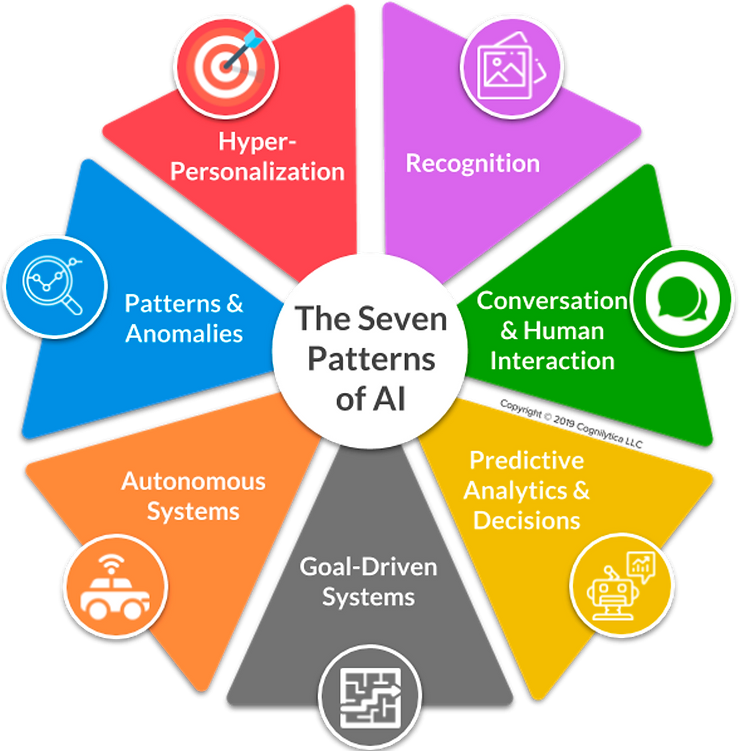
AI Ethics and Responsible AI: As AI technology advances, discussions about societal and ethical issues—such as data bias, privacy invasion, fake news generation, and job displacement—have become more active. Responsible AI encompasses principles like fairness, transparency, explainability, and safety, which must be upheld to ensure the development and utilization of AI minimizes these issues.
AI 윤리(AI Ethics)와 책임감 있는 AI(Responsible AI): AI 기술이 발전함에 따라 발생할 수 있는 데이터 편향성, 개인정보 침해, 가짜 뉴스 생성, 일자리 문제 등 사회적, 윤리적 문제에 대한 논의가 활발하다. '책임감 있는 AI'는 이러한 문제들을 최소화하기 위해 공정성, 투명성, 설명가능성, 안전성 등의 원칙을 지키며 AI를 개발하고 활용해야 한다는 개념을 포함한다.
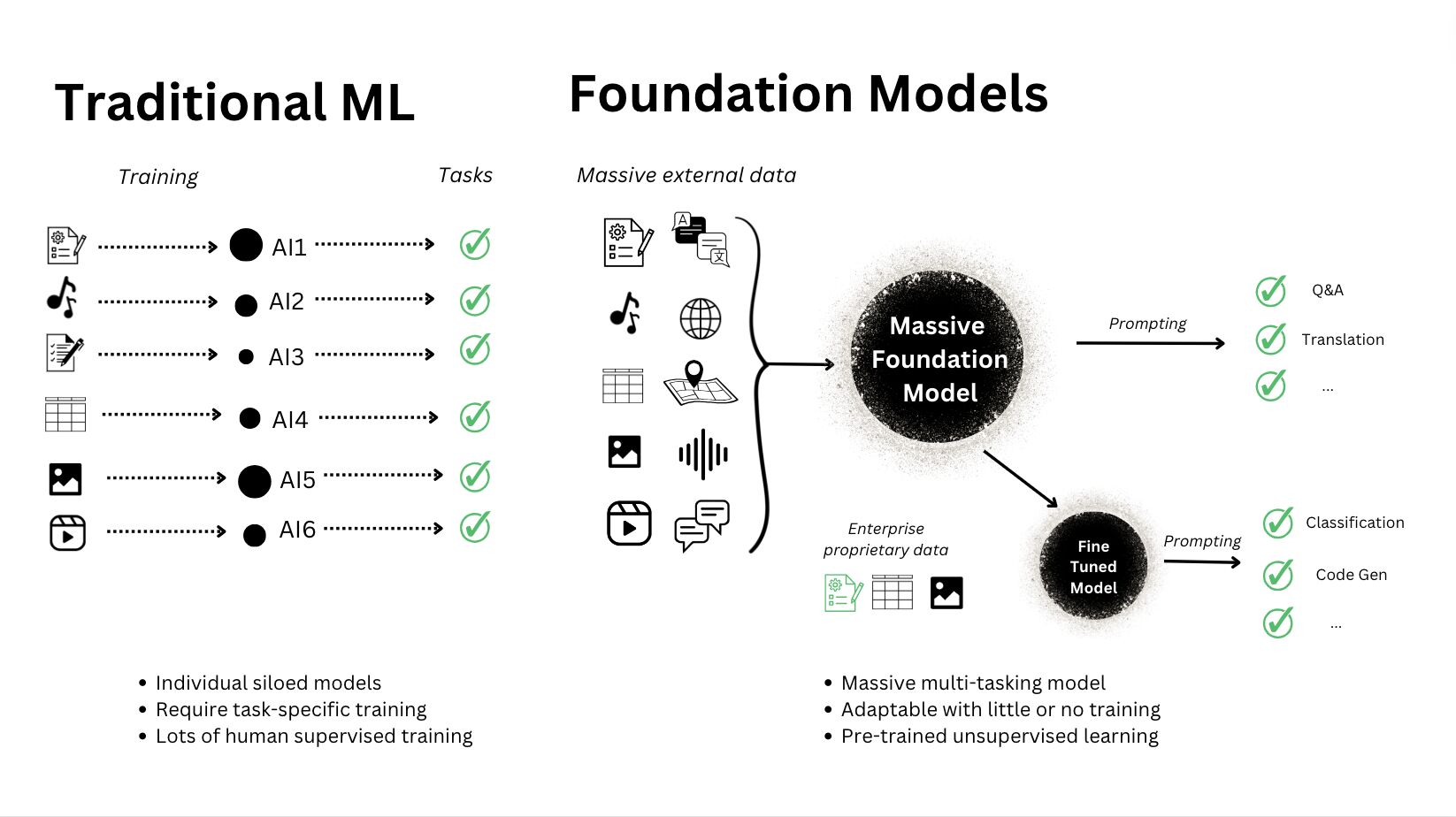
Foundation Model (FM): A higher-level concept that includes large language models (LLMs). These models are pre-trained on vast amounts of unlabeled data and serve as the 'foundation' for various downstream tasks (fine-tuning). The term broadly covers not only text-based models but also large multimodal models capable of processing diverse data types, such as images and audio. The advent of foundation models allows AI to be adapted across multiple domains with minimal re-development, simply by fine-tuning a single, large pre-trained model.
파운데이션 모델 (Foundation Model, FM): LLM(거대 언어 모델)을 포함하는 더 상위의 개념이다. 대규모의 라벨링되지 않은 데이터로 사전 학습되어, 그 자체로 다양한 하위 작업(fine-tuning)의 '기초(foundation)'가 되는 모델을 의미하며, 텍스트뿐만 아니라 이미지, 음성 등 다양한 데이터를 처리하는 거대 멀티모달 모델까지 포괄하는 용어이다. 파운데이션 모델의 등장은 특정 목적마다 AI를 새로 개발할 필요 없이, 하나의 거대 모델을 여러 분야에 맞게 미세 조정하여 사용한다.

Explainable AI (XAI): A technology and methodology that aims to make AI decision processes and their rationale understandable to humans, similar to explaining a black box. The core goal is to transparently show how AI arrives at its answers or outputs. Explainability enhances AI trustworthiness, helps correct errors or biases, and clarifies responsibility, making it especially critical in fields like finance, healthcare, and law, where decision transparency is essential.
설명가능 AI (Explainable AI, XAI): '블랙박스(Black Box)'와 같은 AI의 판단 과정과 근거를 사람이 이해할 수 있도록 설명하는 기술 및 방법론이며, AI가 왜 그런 답변이나 결과물을 내놓았는지 그 과정을 투명하게 보여주는 것이 핵심이다. AI의 신뢰성을 높이고, 결과물의 오류나 편향을 수정하며, 책임 소재를 명확히 하는 데 필수적인데 금융, 의료, 법률과 같이 결정에 대한 설명이 반드시 필요한 분야에서 매우 중요하다.
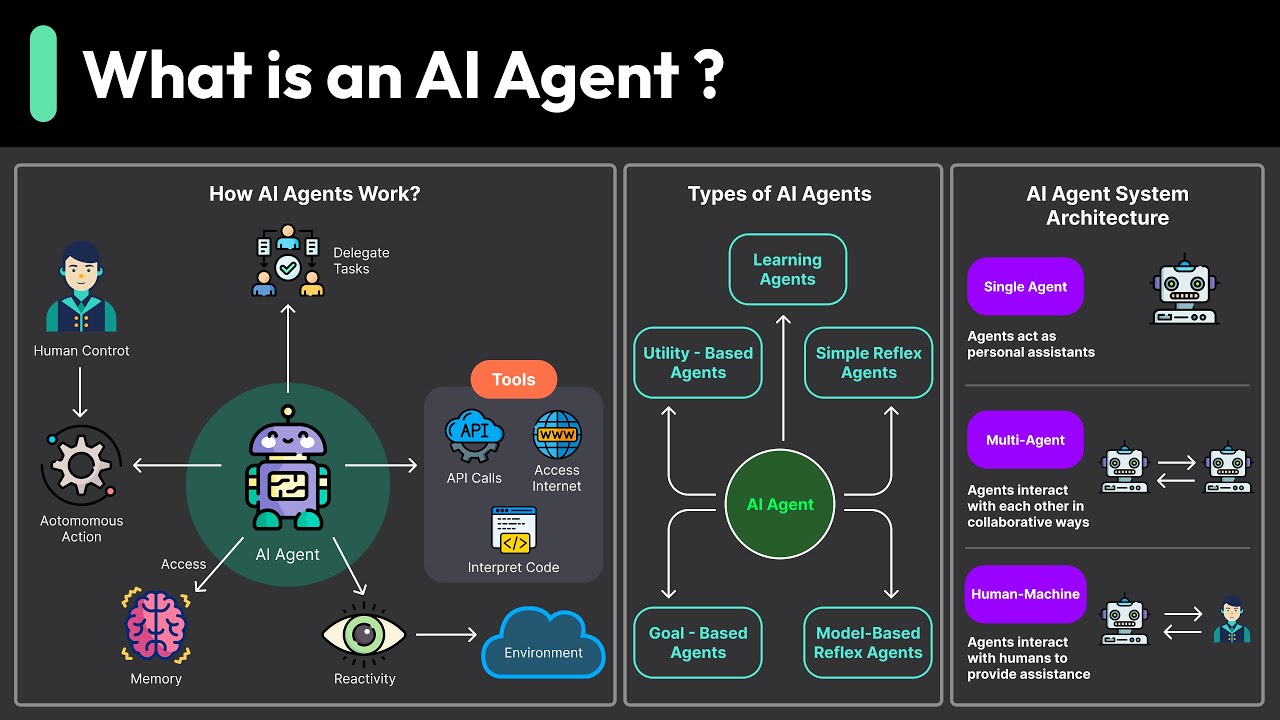
Agent AI: Beyond simply generating results based on commands, Agent AI autonomously sets its own goals, plans, utilizes necessary tools, and repeatedly executes tasks to complete objectives. For example, an AI agent might independently research the weather, recommend accommodations and restaurants, and book KTX tickets when asked to plan a trip to Busan for the weekend.
에이전트 (Agent AI): 단순히 명령에 대한 결과물을 생성하는 것을 넘어, 스스로 목표를 설정하고, 계획을 수립하며, 필요한 도구를 사용하고, 실행하는 과정을 자율적으로 반복하여 과업을 완수하는 AI를 의미한다. 예를 들어 "이번 주말 부산 여행 계획 짜고, KTX 예약해 줘"라는 명령에 대해, AI 에이전트는 스스로 날씨 검색, 숙소 및 맛집 추천, KTX 예약 사이트 연동 등의 하위 작업들을 순차적으로 수행할 수 있다.
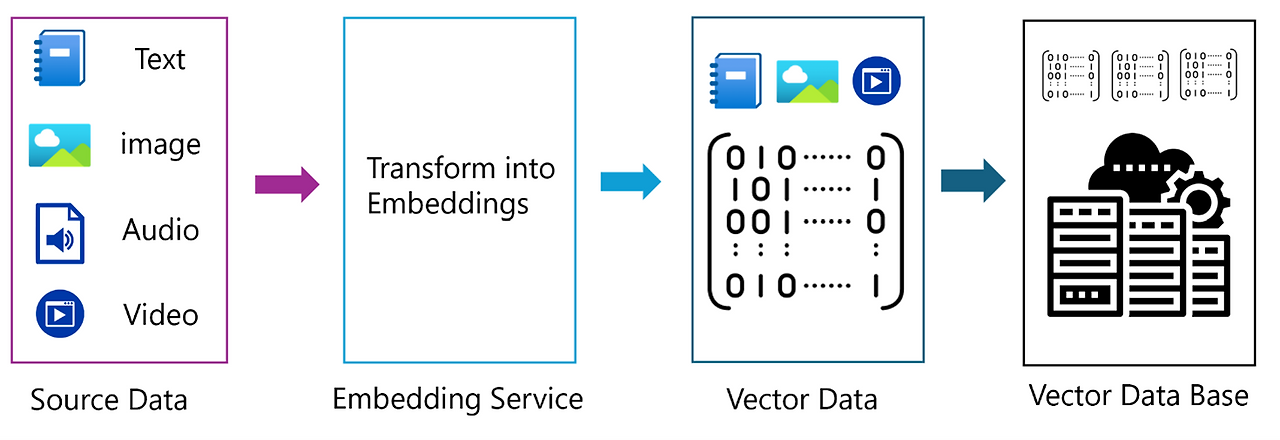
Vector Database: A key component of Retrieval-Augmented Generation (RAG) technology, this database stores unstructured data such as words, sentences, or images by converting them into numerical vectors. AI can rapidly and accurately compute the semantic similarity between vectors. When a user asks a question, the AI transforms the query into a vector and retrieves the most relevant information vector from the database to generate a response.
벡터 데이터베이스 (Vector Database): RAG(검색 증강 생성) 기술의 핵심 요소 중 하나로, 단어나 문장, 이미지 같은 비정형 데이터를 숫자로 이루어진 '벡터' 형태로 변환하여 저장하는 데이터베이스이다. AI는 이 벡터들의 거리나 방향을 통해 '의미의 유사성'을 빠르고 정확하게 계산할 수 있으며, 사용자가 질문을 하면, AI는 질문을 벡터로 바꾸고 이와 가장 유사한 의미를 가진 벡터(정보)를 데이터베이스에서 즉시 찾아내어 답변 생성에 활용한다.
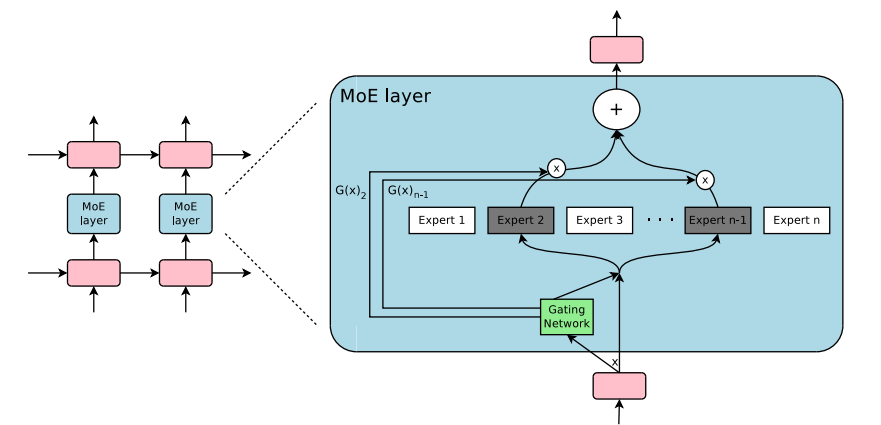
Mixture of Experts (MoE): A modern architecture designed to improve the efficiency of large language models (LLMs). Instead of a single vast model answering all questions, multiple smaller 'expert' models are employed. Depending on the question's nature, only the most relevant subset of these experts is activated. This approach allows the overall model to remain large while reducing inference costs, resulting in faster and more efficient AI.
전문가 혼합 모델 (MoE: Mixture of Experts): 거대 언어 모델(LLM)을 더욱 효율적으로 만들기 위한 최신 아키텍처 중 하나이다. 하나의 거대한 모델이 모든 질문에 답하는 대신, 여러 개의 작은 '전문가' 모델을 두고, 질문의 종류에 따라 가장 적합한 전문가 모델 몇 개만 활성화하여 문제를 해결하는 방식이다. 이를 통해 모델의 전체 크기는 키우면서도, 추론에 드는 컴퓨팅 비용은 크게 절감하여 더 빠르고 효율적인 AI를 구현한다.
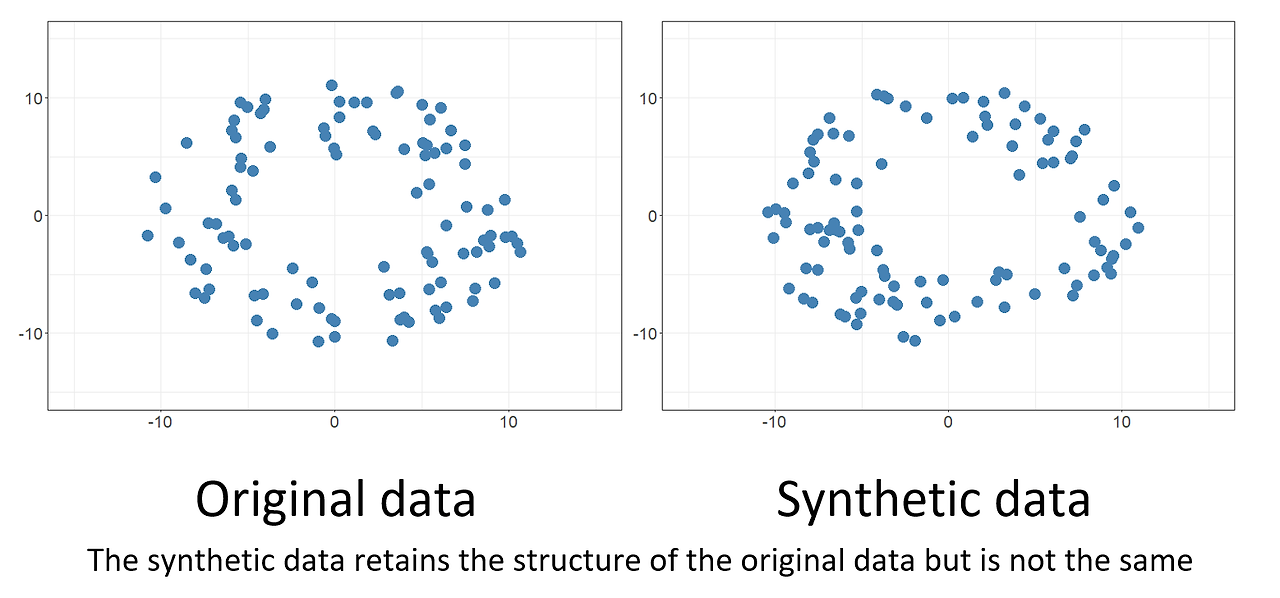
Synthetic Data: Artificial data generated by AI rather than collected from real-world sources. When actual data is scarce or privacy concerns are significant, AI models learn the patterns of existing data and produce large amounts of statistically similar, realistic synthetic data. This data plays an essential role in training AI models or testing systems.
합성 데이터 (Synthetic Data): 실제 세계에서 수집된 데이터가 아닌, 인공지능에 의해 생성된 가상의 데이터를 의미한다. 실제 데이터가 부족하거나, 개인정보 보호 등의 이유로 사용하기 민감한 경우, AI 모델이 기존 데이터의 패턴을 학습하여 현실과 유사한 통계적 특성을 가진 합성 데이터를 대량으로 만들어낸다. 이 데이터는 다른 AI 모델을 훈련시키거나, 시스템을 테스트하는 데 중요한 역할을 한다.
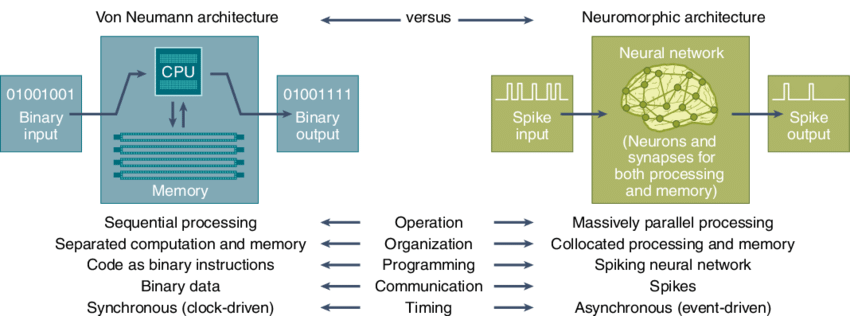
AI Accelerators: Specialized hardware designed to accelerate AI computations, particularly the extensive matrix and vector operations required in deep learning. Graphics Processing Units (GPUs) are typical examples. Recently, semiconductors optimized for AI tasks, such as Neural Processing Units (NPUs) embedded in smartphones and laptops, constitute the physical infrastructure driving AI development.
AI 가속기 (AI Accelerators): 인공지능 연산, 특히 딥러닝에 필요한 방대한 행렬 및 벡터 연산을 빠르고 효율적으로 처리하도록 설계된 특화된 하드웨어를 총칭한다. GPU(그래픽 처리 장치)가 대표적이며, 최근에는 스마트폰과 노트북에 탑재되는 NPU(신경망 처리 장치)처럼 특정 AI 작업에 더욱 최적화된 반도체들이 AI 기술 발전의 물리적 기반이 된다.
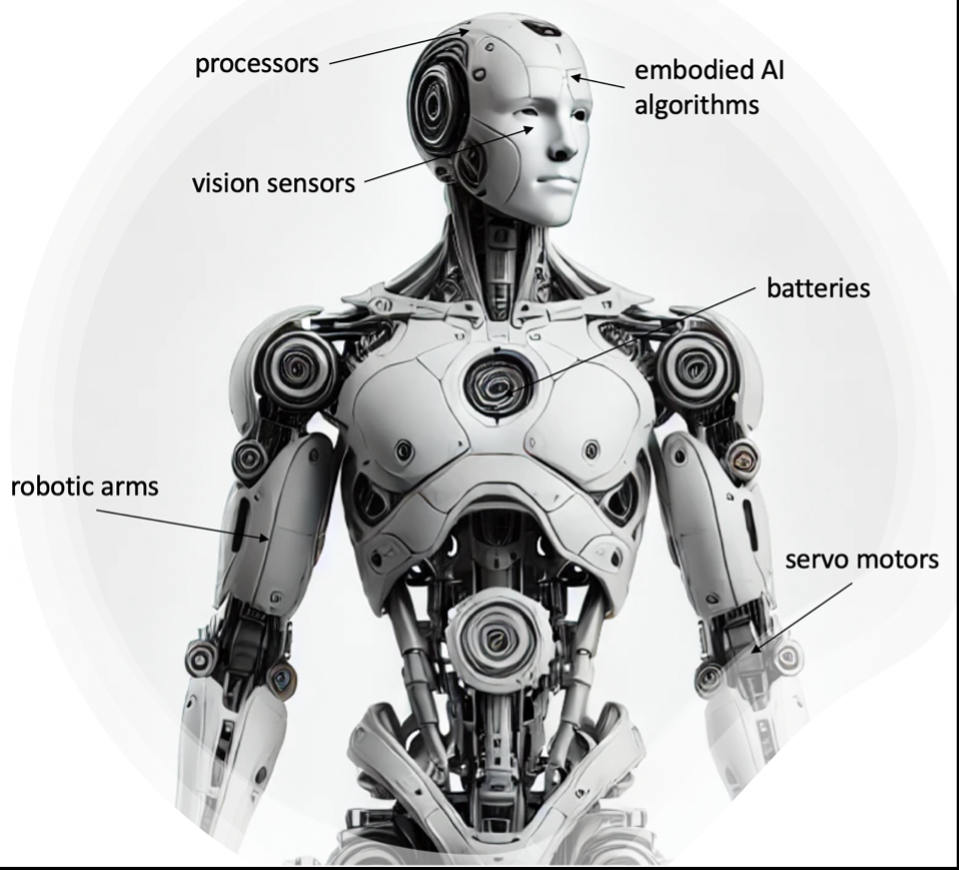
Embodied AI: AI that transcends digital-only existence by possessing a physical body—such as robots, drones, or autonomous vehicles—and directly interacts with the physical environment. This entails AI systems recognizing their surroundings via sensors like cameras and microphones, and physically acting to influence their environment. It represents a crucial research area moving toward true 'intelligent robots,' surpassing virtual assistants.
체화된 AI (Embodied AI): 디지털 공간에만 존재하는 AI를 넘어, 로봇, 드론, 자율주행차와 같이 물리적인 신체(body)를 가지고 현실 세계와 직접 상호작용하는 인공지능을 말한다. 이는 AI가 시각, 청각 등 센서를 통해 주변 환경을 인식하고, 물리적 행동을 통해 환경을 변화시키는 능력을 갖추게 됨을 의미한다. 가상 비서를 넘어 진정한 의미의 '지능형 로봇'으로 가는 핵심적인 연구 분야이다.
Human On:
AI 시대에 필요한 인간의 역량
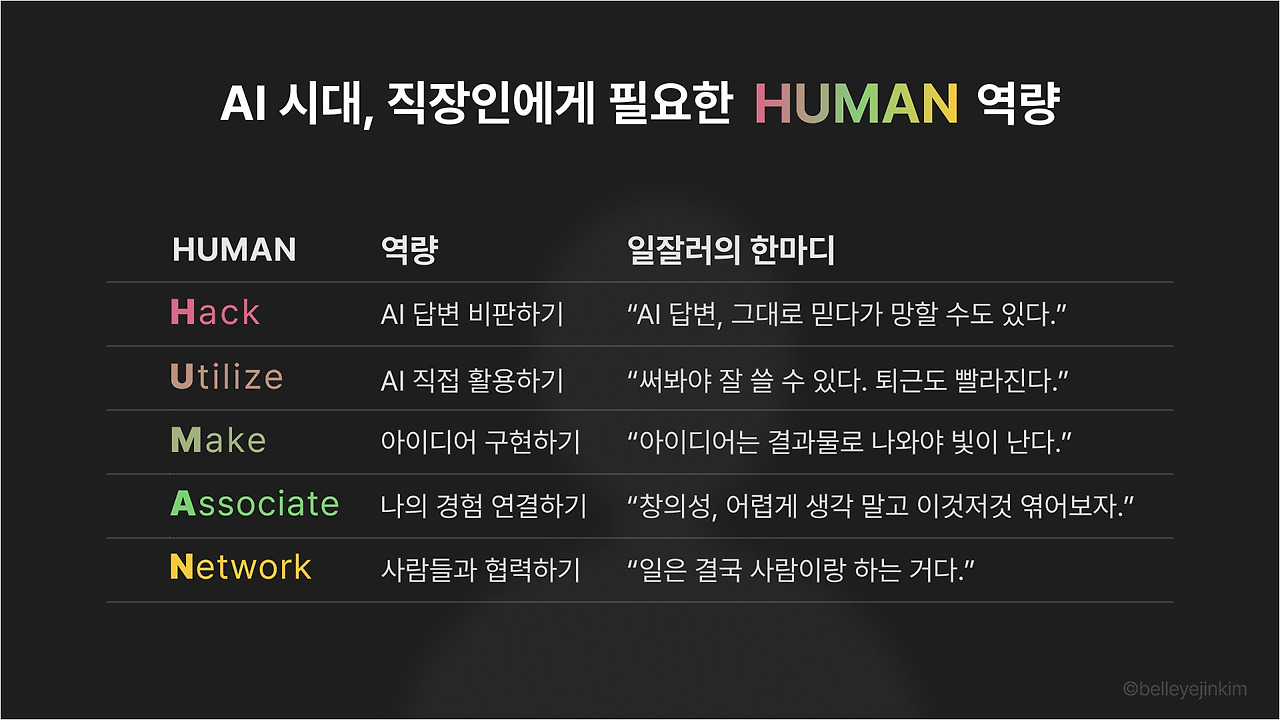
Critical Thinking: The ability to recognize biases and errors in AI-generated outputs and critically analyze and evaluate their validity and relevance.
비판적 사고: 인공지능이 생성한 결과물의 편향과 오류를 인식하고, 그 타당성과 적합성을 비판적으로 분석·평가하는 능력
Problem-solving Thinking: The capacity to determine when and how to effectively utilize AI technologies, and to leverage AI to address and resolve issues that arise in daily life and work efficiently.
문제해결적 사고: 인공지능기술을 언제, 어떻게 활용할지 판단하고, 인공지능을 활용하여 일상과 업무에서 발생하는 문제를 효과적으로 해결하는 능력
Social and Relational Thinking: In interactions involving AI, the ability to empathize with and respect others’ emotions and perspectives, as well as to coordinate opinions and AI responses appropriately, thereby facilitating effective communication and collaboration.
사회관계적 사고: 인공지능이 개입된 상호작용에서 타인의 감정과 관점을 공감·존중하고 인공지능을 활용하는 과정에서 타인의 의견이나 인공지능의 반응을 적절히 조율하며 효과적으로 소통 및 협업하는 능력
Creative Thinking: While AI can learn from existing data to "create" new content, genuine originality and the creation of truly novel ideas remain uniquely human. The ability to utilize AI-generated results as a foundation for devising new values, art, or business models is becoming increasingly important.
창의적 사고 (Creative Thinking): AI는 기존 데이터를 학습하여 새로운 것을 '만들어'내지만 진정으로 독창적이고 새로운 아이디어를 '창조'하는 것은 여전히 인간의 고유한 영역으로, AI를 활용하여 얻은 결과물을 바탕으로 기존에 없던 새로운 가치, 예술, 비즈니스 모델을 생각해내는 능력이 더욱 중요해진다.
Digital Literacy and AI Literacy: The capability to understand and effectively use various digital tools, including AI and related technologies. This involves comprehending how these tools work, recognizing their potential advantages and limitations, and selecting the most suitable tools to maximize productivity. (The skill of crafting effective prompts is a core element of AI literacy.)
디지털 리터러시 (Digital Literacy) 및 AI 리터러시 (AI Literacy): AI를 포함한 다양한 디지털 도구를 효과적으로 이해하고 활용하는 능력으로 단순히 사용하는 것을 넘어 각 기술의 작동 원리와 잠재적인 장단점을 파악하고, 내 삶과 업무에 가장 적합한 도구를 선택하여 생산성을 극대화하는 능력을 포함한다. (좋은 프롬프트를 작성하는 능력은 AI 리터러시의 핵심 요소)
Learning Agility and Adaptability: Given the rapid pace of AI technological development, staying open to change and continuously acquiring new knowledge and skills is essential. The ability to quickly apply newly learned expertise to one's own field and adapt flexibly to evolving circumstances is crucial.
학습 민첩성 (Learning Agility) 및 적응 유연성 (Adaptability): AI 기술은 매우 빠르게 변화하고 발전하고 있다. 어제는 최신이었던 기술이 오늘은 낡은 것이 될 수 있다. 변화에 열린 마음으로 끊임없이 새로운 지식과 기술을 배우고, 이를 자신의 분야에 빠르게 적용하여 변화에 유연하게 대처하는 능력이 필수적이다.
Metacognition: The ability to objectively reflect on one's own thinking and learning processes. This includes evaluating whether the information provided by AI is sufficient, checking for potential errors in judgment, and planning and controlling the most efficient ways to utilize AI tools, forming the foundation of both critical and problem-solving thinking.
메타인지 (Metacognition): 자신의 생각과 학습 과정을 한 단계 위에서 객관적으로 바라보는 능력이다. AI가 제공한 정보가 충분한지 내 판단에 오류는 없는지, 문제를 해결하기 위해 어떤 AI 도구를 어떤 순서로 활용하는 것이 가장 효율적인지 등을 스스로 점검하고 계획하며 실행을 통제하는 능력이다. (비판적 사고와 문제해결적 사고의 근간이 된다)
Questioning & Prompt Engineering: In an AI era, literacy is shifting from "knowing the answer" to "asking the right questions" that elicit the most valuable responses. Beyond mastering prompt formulation, strategic question design that penetrates the core of problems, clarifies goals, and guides AI toward producing deeper and more creative outputs is a key competitive advantage.
질문의 힘 (Questioning & Prompt Engineering): AI 시대의 문해력(Literacy)은 '정답을 아는 것'에서 '최고의 답을 이끌어내는 질문을 하는 것'으로 이동하고 있는데, 단순히 프롬프트를 잘 쓰는 기술을 넘어, 문제의 본질을 꿰뚫고 목표를 명확히 하며 AI가 더 깊고 창의적인 결과물을 내놓도록 유도하는 전략적 질문 설계 능력이 핵심 경쟁력이 된다.
Contextual Intelligence: While AI learns patterns based on data, it does not fully grasp the social, cultural, historical, or emotional contexts in which data are generated. The human role involves assessing how AI-generated outputs will be received in specific situations, cultures, or by individuals, as well as reading between the lines to interpret implicit meanings and make final judgments.
맥락적 지능 (Contextual Intelligence): AI는 데이터에 기반한 패턴을 학습하지만, 그 데이터가 생성된 사회적, 문화적, 역사적, 감성적 '맥락'을 온전히 이해하지는 못한다. AI가 생성한 결과물이 특정 상황이나 문화권, 혹은 특정 개인에게 어떻게 받아들여질지 종합적으로 판단하고, 보이지 않는 행간의 의미를 읽어내어 최종 결정을 내리는 것은 인간의 중요한 역할이다.
Integrative Thinking: Although AI can provide in-depth analysis within specific domains, it has limitations in connecting and synthesizing knowledge from different fields to generate entirely new insights. The ability to integrate diverse data and results from various disciplines and create innovative solutions by combining seemingly unrelated ideas is critical.
통합적 사고 (Integrative Thinking): AI는 특정 분야에 대해 인간보다 깊은 분석을 제공할 수 있지만, 서로 다른 영역의 지식을 연결하고 융합하여 완전히 새로운 통찰을 만들어내는 데에는 한계가 있다. AI가 분석한 다양한 분야의 데이터와 결과물들을 큰 그림 안에서 연결하고, 이질적인 아이디어들을 엮어 제3의 대안을 창조하는 통합적 사고 능력이 필요하다.
Ethical Judgment: Ultimately, humans are responsible for creating a "responsible AI." This involves assessing whether AI outputs reinforce societal biases, cause harm to individuals, or distort facts. Ethical judgment encompasses making decisions that consider values beyond technological efficiency, especially as AI advances, emphasizing the importance of responsible AI development.
윤리적 판단력 (Ethical Judgment): '책임감 있는 AI'를 만드는 주체는 결국 인간이다. AI가 생성한 결과물이 사회적 편견을 강화하지는 않는지 특정인에게 피해를 주지는 않는지, 사실을 왜곡하지는 않는지 등을 판단하고 윤리적 딜레마 상황에서 최종적인 결정을 내리는 능력이며 기술의 효율성 너머의 가치를 생각하는 이 능력은 기술이 발전할수록 더욱 중요해진다.
Systems Thinking: The ability to perceive how AI acts as a powerful variable affecting interconnected systems such as society, economy, and organizations. This includes anticipating the ripple effects of AI-driven problem-solving on other sectors, understanding complex interdependencies, and maintaining a macro perspective on potential unintended consequences.
시스템적 사고 (Systems Thinking): AI라는 강력한 변수가 사회, 경제, 조직 등 시스템 전체에 어떤 연쇄적인 영향을 미치는지 전체적인 관점에서 파악하는 능력이다. 특정 문제를 AI로 해결했을 때, 그 결과가 다른 부서나 사회의 다른 영역에 어떤 예상치 못한 나비효과를 불러일으킬지 예측하고, 복잡하게 얽힌 요소들의 상호작용을 이해하는 거시적인 안목을 말한다.
AI Collaborative Intelligence: More than merely using AI, this entails recognizing AI as a team member and designing workflows in which humans and AI collaboratively leverage their respective strengths to achieve optimal results. It involves discerning which tasks should be delegated to AI, integrating outputs effectively, and fostering high-level teamwork.
AI 협업 지능 (AI Collaborative Intelligence): AI를 단순히 '사용하는' 것을 넘어, AI를 하나의 '팀원'으로 인식하고 인간과 AI가 각자의 강점을 발휘하여 최상의 시너지를 내는 워크플로우를 설계하고 실행하는 능력이다. 어떤 과업을 인간이 맡고 어떤 과업을 AI에게 위임할지, 그리고 그 둘의 결과물을 어떻게 유기적으로 결합할지를 판단하는 고도의 협업 역량을 의미한다.
Technological Stewardship: The responsibility to manage and guide new technologies responsibly for the benefit of the community and society at large, rather than solely for individual or organizational gain. This includes considering potential impacts such as job displacement or inequality, and leading with a sense of responsibility to ensure that technological benefits are distributed fairly.
기술적 스튜어드십 (Technological Stewardship): 새로운 기술을 개인이나 조직의 이익만을 위해 사용하는 것을 넘어, 공동체와 사회 전체에 긍정적인 영향을 미치도록 책임감을 가지고 기술을 관리하고 이끌어가는 능력이다. AI 도입으로 인해 발생할 수 있는 일자리 문제, 격차 문제 등을 고려하고, 기술의 혜택이 공정하게 분배되도록 방향을 제시하는 리더십과 주인의식을 포함한다.
Digital Wellbeing & Self-Regulation: The ability to maintain cognitive and emotional health without being overwhelmed by the convenience and stimuli provided by AI. This involves consciously avoiding over-dependence on AI, resisting the influence of filter bubbles created by recommendation algorithms, and actively managing information consumption to preserve autonomy and overall well-being.
디지털 웰빙 및 자기조절 (Digital Wellbeing & Self-Regulation): AI가 제공하는 편리함과 자극에 매몰되지 않고, 자신의 인지적, 정서적 건강을 지키는 능력이다. AI에 대한 과도한 의존으로 인해 스스로 생각하는 힘을 잃지 않도록 의식적으로 노력하고, AI 추천 알고리즘이 만드는 '필터 버블'에 갇히지 않도록 정보 소비 습관을 주체적으로 관리하는 등 디지털 환경 속에서 자신의 삶의 주도권을 지키는 것을 뜻한다.
'✏️ㅣ Study > 📚ㅣDomain' 카테고리의 다른 글
| 📚ㅣFinancial domain (4) | 2025.07.28 |
|---|
